
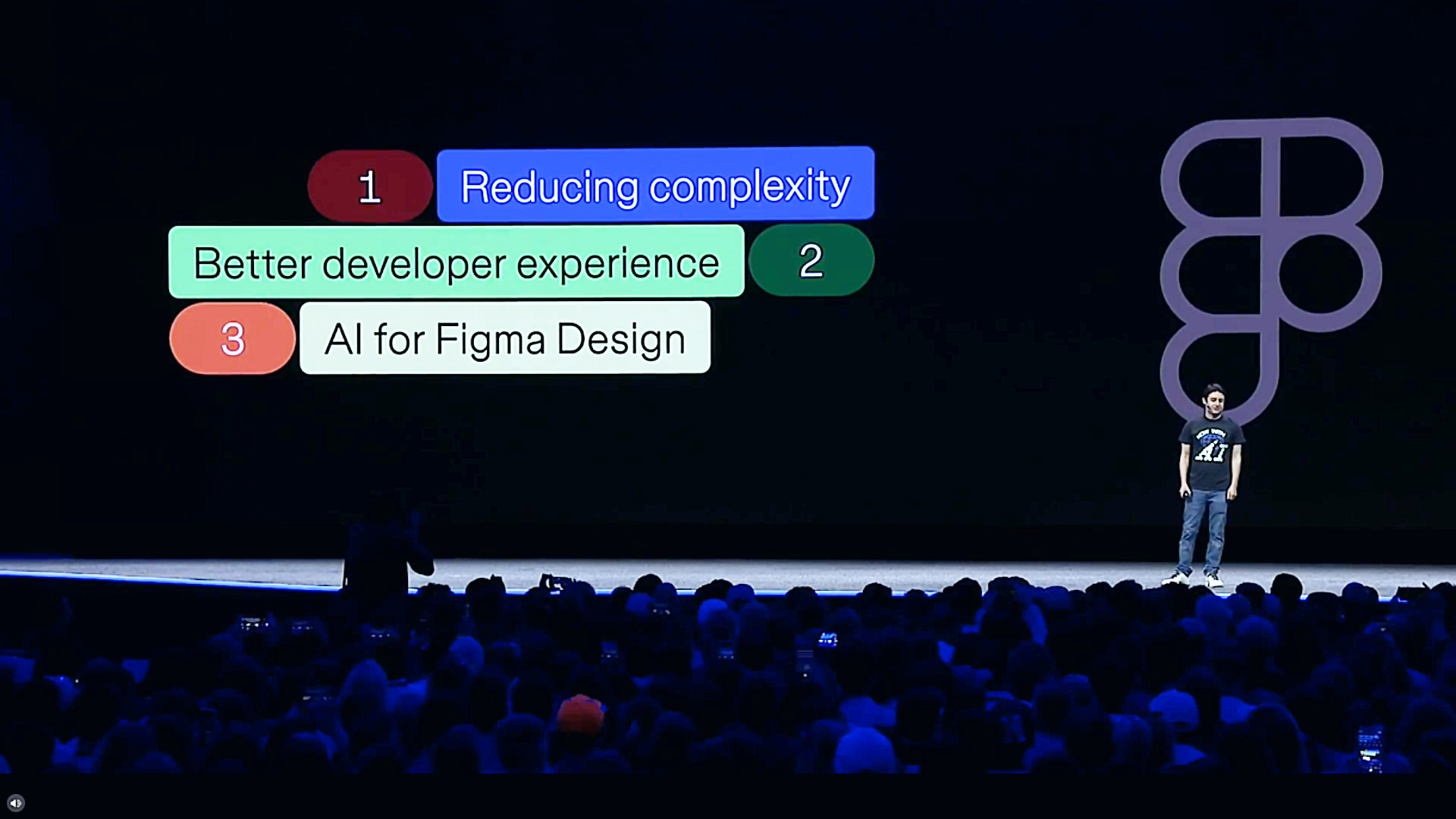
At Forrester’s Config 2025 analysis, Gina Bhawalkar explores how Figma’s latest AI-powered tools—Figma Sites, Make, Buzz, and Draw—are reshaping the design and marketing landscape. While these innovations aim to streamline workflows and enhance creativity, Bhawalkar emphasizes that design excellence remains paramount, especially in an AI-driven world.
🚀 Accelerating the Path from Idea to Launch
Figma’s new suite of tools is designed to help teams transition seamlessly from concept to deployment. Figma Sites allows designers to convert their designs into live websites, while Figma Make enables the creation of functional prototypes and applications from descriptions or existing designs. Figma Buzz facilitates the generation of brand-consistent marketing assets at scale, and Figma Draw offers enhanced vector editing capabilities for detailed illustrations.
⚠️ The Accessibility Oversight
Despite the advancements, Figma Sites has faced criticism for generating code that does not adhere to accessibility standards. This oversight highlights the importance of inclusive design practices and serves as a reminder that accessibility should not be an afterthought in the development process.
🎨 The Enduring Value of Human-Centered Design
While AI tools can automate certain aspects of the design process, Bhawalkar underscores that human-centered design remains crucial. Understanding user needs, crafting intuitive interfaces, and ensuring meaningful experiences are areas where human expertise continues to be indispensable. AI can assist, but it cannot replace the empathy and creativity that human designers bring to the table.
🧭 Navigating the Future of Design
As AI continues to evolve, it is essential for design professionals to stay informed and adaptable. Embracing AI as a tool rather than a replacement allows designers to enhance their capabilities and focus on what truly matters—creating exceptional user experiences.
In conclusion, Figma’s latest tools represent significant strides in integrating AI into the design and marketing processes. However, the core principles of accessibility, inclusivity, and human-centered design must remain at the forefront to ensure that technology serves to enhance, not diminish, the quality of user experiences.


