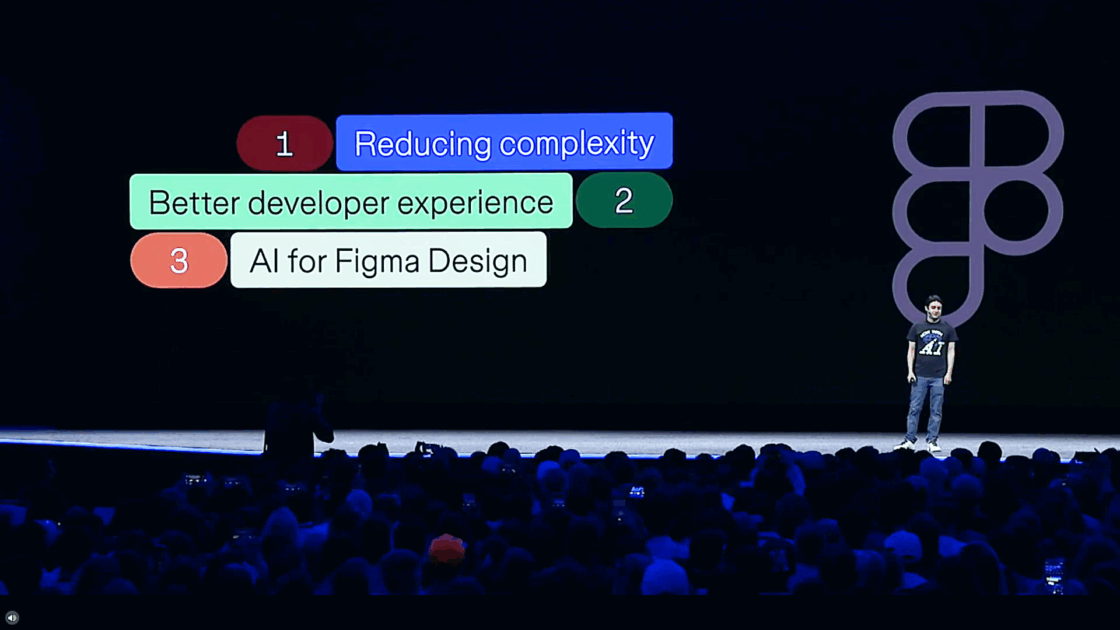
As of May 2025, AI design tools have made notable strides since our 2024 assessment, yet they still fall short of replacing human designers. While narrow-scope AI features have proven beneficial, broader design capabilities remain underdeveloped.
✅ Narrow-Scope AI: Where Progress Is Evident
Narrow-scope AI tools, which focus on specific tasks, have shown the most promise. These tools excel in automating repetitive tasks and providing targeted suggestions. For instance, Figma’s recent AI enhancements include:
- Rename Layers: Automatically names layers based on their content and context, streamlining the design process.
- Rewrite This: Generates or edits copy, assisting designers who may not specialize in writing.
- Find More Like: Helps locate similar assets across projects, enhancing asset management.
These features have been integrated into designers’ daily workflows, demonstrating tangible benefits.
⚠️ Broader Design Capabilities Still Lacking
Despite advancements, AI tools still struggle with complex design tasks. Generating wireframes and prototypes that meet professional standards remains a challenge. Current AI outputs often require significant refinement, as they lack the nuance and context that human designers provide.
🔮 Looking Ahead
While AI tools are unlikely to replace designers in the near future, they serve as valuable assistants. By automating routine tasks, AI allows designers to focus on more creative and strategic aspects of their work. As AI technology continues to evolve, its role in design will likely expand, but human expertise will remain essential.
In summary, AI design tools have made commendable progress, particularly in narrow-scope applications. However, they are not yet capable of replacing the depth and creativity that human designers bring to the table. Designers should view AI as a tool to enhance their work, not as a substitute.